Source Wall Mounted Air Freshener Dispenser for Home, Car, and Industry
Find and compare 30 wall mounted air freshener dispenser models from China. Options include battery-powered and adapter-driven units with CE and RoHS certifications, suitable for home, car, and industrial applications; compare the available evidence and request quotations based on your requirements.
Key considerations
Products List


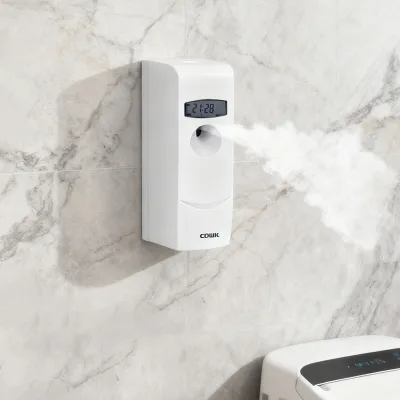


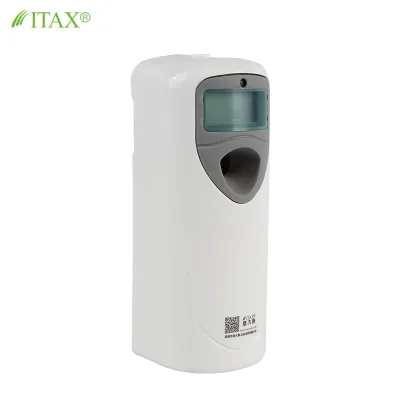


Comprehensive Sourcing Guide
Wall Mounted Air Freshener Dispenser Sourcing Guide
Buyers evaluating wall-mounted units must first distinguish between active and passive operating principles, as the supplied data indicates both types exist within the market. Active models often rely on battery power, such as two "D" or "AA" batteries, to drive aerosol spray mechanisms, whereas passive units may utilize solid air freshener formats. Understanding this distinction is critical because it dictates the installation requirements and the ongoing maintenance schedule for the facility manager.
The physical installation constraints vary significantly across the observed product range, with some units designed specifically for wall mounting while others offer floor-standing or hanging options. Procurement teams should verify that the selected model matches the intended surface, noting that specific dimensions like L92W82H252mm or L86W83H238mm are common for wall-mounted variants. This verification ensures the unit fits the designated space without obstructing traffic or requiring structural modifications to the wall.
Product Scope and Observed Listing Signals
The market for these dispensers includes a diverse array of types, ranging from aerosol spray cans to solid air freshener formats, each serving different scent distribution needs. Buyers should note that specific models are engineered for particular application areas, with some units optimized for spaces under 10 square meters while others cover larger areas up to 30 square meters. This variance requires careful matching of the product's coverage capacity to the actual room dimensions to ensure effective odor control.
Inventory signals indicate that customization is available for many suppliers, allowing buyers to tailor the unit's appearance or functionality to specific branding or operational needs. The observed color options typically include white or white with black finishes in regular stock, though custom colors may be requested. Additionally, the packaging methods, such as bubble bags with boxes or individual color boxes, provide clues about the shipping durability and the level of retail readiness expected from the supplier.
Technical Specifications to Verify
When assessing technical performance, the power source is a primary consideration, with options including AA batteries, two "D" batteries, or 100-240 V adapters. Buyers must confirm the specific battery type required for their chosen model, as this impacts the long-term operational cost and the frequency of maintenance visits. For instance, units requiring "D" batteries may offer longer runtimes compared to those using standard "AA" cells, influencing the decision for high-traffic areas.
The physical dimensions and internal capacity are equally vital for ensuring the unit functions correctly within the intended environment. Specifications such as an inner space of W70*H90 mm or a standard capacity of 300ML must be cross-referenced with the desired refill volume and the available wall space. Verifying these measurements prevents installation failures and ensures that the dispenser can hold the necessary amount of fragrance to maintain consistent air quality over the required duration.
Compliance and Safety Documentation
Regulatory compliance is a non-negotiable aspect of sourcing, with CE and RoHS certifications appearing frequently in the product data. These certifications indicate that the electrical components and materials used in the dispensers meet specific safety and environmental standards, which is essential for importing goods into many international markets. Buyers should request valid certification documents to verify that the specific batch of products adheres to these requirements before finalizing any purchase order.
In addition to general certifications, the operating principle of the device must align with safety protocols for the intended environment, particularly in medical or engineering settings. Active units that spray aerosols may require specific ventilation considerations, while passive solid units might be preferred in sensitive areas. Ensuring that the product documentation explicitly states compliance with local safety regulations helps mitigate liability risks and ensures the equipment is safe for use by staff and visitors.
Cost Drivers and Commercial Terms
The price range for these dispensers is broad, spanning from $0.08 to $2599, driven largely by the complexity of the mechanism, the material quality, and the included features. Buyers should analyze whether the lower-cost options meet the necessary durability and performance standards for their specific application, as the cheapest units may lack the robustness required for heavy industrial use. Understanding the correlation between price and feature set helps in allocating the procurement budget effectively.
Minimum Order Quantities (MOQs) also vary significantly, ranging from single units to nearly 29,000 pieces, which directly impacts the total cost of ownership and inventory management strategy. Smaller MOQs allow for testing different models with lower financial risk, while larger orders may secure better unit pricing but require significant storage capacity. Procurement teams must balance the need for volume discounts against the flexibility to adapt to changing market demands or seasonal scent requirements.
Supplier Qualification and Quality Control
Supplier qualification should focus on their ability to provide consistent product quality and reliable after-sales support, particularly regarding the availability of replacement parts and refills. The presence of detailed user manuals in English suggests a level of professionalism, but buyers must also verify the supplier's track record for delivering products that match the described specifications. A supplier with a history of meeting delivery timelines and maintaining quality standards is essential for long-term operational stability.
Quality control processes must be rigorously evaluated to ensure that the final products meet the agreed-upon standards for dimensions, battery life, and scent distribution. Buyers should inquire about the supplier's internal testing procedures and whether they conduct random sampling checks before shipment. Establishing clear quality acceptance criteria and potentially arranging third-party inspections can prevent the receipt of defective units and ensure that the installed dispensers perform as expected in the field.
Long-Term Procurement Checks
Sustaining a successful procurement relationship requires regular checks on the supplier's ability to maintain consistent supply and quality over time. Buyers should monitor the supplier's response to any quality issues and their willingness to adjust production processes to meet evolving standards. This proactive approach helps in identifying potential supply chain disruptions early and ensures that the facility continues to receive reliable air freshening solutions without interruption.
Future-proofing the procurement strategy involves staying informed about technological advancements and new product models that may offer improved efficiency or sustainability. As the market evolves, suppliers may introduce units with better battery life, more eco-friendly materials, or enhanced smart features. Maintaining an open dialogue with suppliers allows buyers to anticipate these changes and make informed decisions about upgrading their existing inventory to stay competitive and efficient.
FAQs
What certifications do wall mounted air freshener dispensers have?
These units typically hold CE, RoHS, and ISO certifications to ensure safety and regulatory compliance. Buyers should verify specific documentation for each model, as standards vary by manufacturer. Certified products meet essential requirements for electrical safety and environmental protection, providing assurance for commercial and industrial procurement.
Can wall mounted air freshener dispensers be customized?
Yes, customization is available for many models to suit specific branding or functional needs. Suppliers often offer options for color, packaging, and operational settings. Buyers can request tailored solutions to align with their corporate identity or specific installation requirements, ensuring the product fits seamlessly into their environment.
How is the wall mounted air freshener dispenser powered?
Power sources vary by model, including battery operation or direct electrical connection. Some units use AA batteries, while others support 100-240 V adapters or larger D batteries. Buyers should select the power option that best matches their installation site's infrastructure and maintenance preferences for optimal convenience.
What is the typical application area for these dispensers?
Application areas range from small spaces under 10 square meters to larger rooms up to 30 square meters. The coverage depends on the specific model's air volume and operating principle. Buyers should match the dispenser's capacity to their room size to ensure effective and consistent fragrance distribution throughout the target area.
Which structures are available for wall mounted air freshener dispensers?
Structures include wall-mounted, floor-standing, and hanging configurations to suit different installation needs. While the core keyword specifies wall mounting, other options like floor-standing units are also common. Buyers can choose the structure that best fits their spatial constraints and aesthetic requirements for a professional and tidy appearance.